
A look at depression, numbness and irritability in men, with questions to help you reflect on changes in your mood and when to seek support.
When most people picture depression, they picture sadness: someone visibly low, maybe tearful, struggling to get out of bed. A lot of men never see themselves in that picture, so they never connect the word "depression" to what they are actually living.
For many men, depression does not feel like sadness. It feels like nothing. Flat. Switched off. Getting through the day and feeling none of it.
It is not always sadness
You can be depressed and still go to work, still hit the gym, still answer your kids. From the outside, fine. Inside, the colour has drained out of things. The stuff that used to matter feels far away, and you are running on autopilot.
Continuing to meet responsibilities can make it harder to recognise that you need support. You might tell yourself you are just tired, busy, or "in a rut."
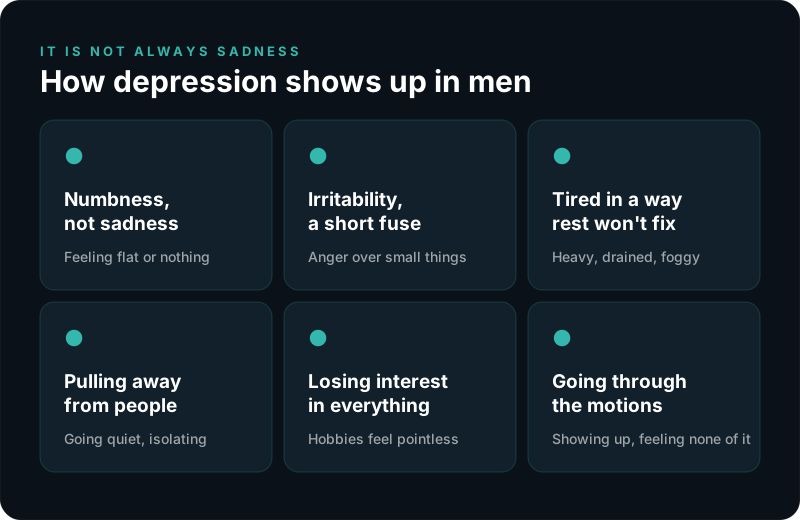
How it tends to show up
- Numbness or flatness instead of obvious sadness
- Irritability and a shorter fuse than usual
- Tiredness that sleep does not fix
- Pulling away from people, then telling yourself you are just busy
- Losing interest in things you used to enjoy
- Going through the motions and feeling none of it
- Leaning harder on work, alcohol, or the screen to fill the gap
These experiences are not a diagnosis. The National Institute of Mental Health's depression overview describes persistent low or empty mood, loss of interest, irritability, fatigue, and changes in daily functioning among possible symptoms. Not everyone has the same symptoms, and similar changes can have other causes. A health professional can help assess what is happening; persistent symptoms or difficulty functioning are reasons to seek support, not a checklist for diagnosing yourself.
Why men miss it (and hide it)
If you associate depression only with visible sadness, you may not recognise your experience in that description. Believing you should handle problems alone can also make asking for help difficult. Neither pattern describes every man, and neither establishes the cause of someone's numbness.
You do not have to look distressed for your experience to deserve attention.
What support can involve
Support is not about forcing positivity. The NIMH psychotherapy guide describes approaches that can address thoughts, emotions, behaviour, and everyday difficulties. Treatment choices depend on the person and may include psychotherapy, medication, or both. Medication questions belong with a qualified prescriber. In therapy, possible starting points include:
- Choose a manageable step. Discuss an activity that fits your current energy and circumstances, without assuming that taking action will immediately change how you feel.
- Explore the numbness without deciding its cause in advance. Notice when it appears, how it affects you, and what else is happening in your life.
- Consider connection. Talk about whether there is a person or activity you would like to reconnect with, and what gets in the way.
- Include physical health. Changes in sleep, energy, or appetite may need medical assessment as well as discussion in therapy.
- Review what is useful. Tell your therapist when an approach is not helping or feels difficult to manage. A plan can be adjusted, and additional care may be appropriate.
These are possible discussion points, not a treatment plan or a promise of improvement. The pace and approach need to fit your situation.
When to reach out
If numbness persists, pulls you away from people, or makes daily life difficult, it is worth discussing with a health professional. You can read about my depression support for men. If you are unsure how to describe what is happening, the pages on stress and burnout and anxiety support explain other concerns you can raise without needing to diagnose yourself.
You can read what a first therapy session can involve or book a free 30 minute consultation to discuss fit.
Sources and further reading
- NIMH: Depression — symptoms, assessment, and treatment options.
- NIMH: Psychotherapies — approaches and questions to ask a therapist.
These US resources provide general educational background. They do not replace an individual assessment or describe every service offered at Resolve.
A direct note: if you are having thoughts that the people around you would be better off without you, please treat that as a reason to reach out now, not later. Call or text the 9-8-8 Suicide Crisis Helpline (call or text 988), call 911, or go to your nearest emergency department. This article is general information, not a substitute for individual care, and a website form is not the place for a crisis.